
Research Direction Introduction
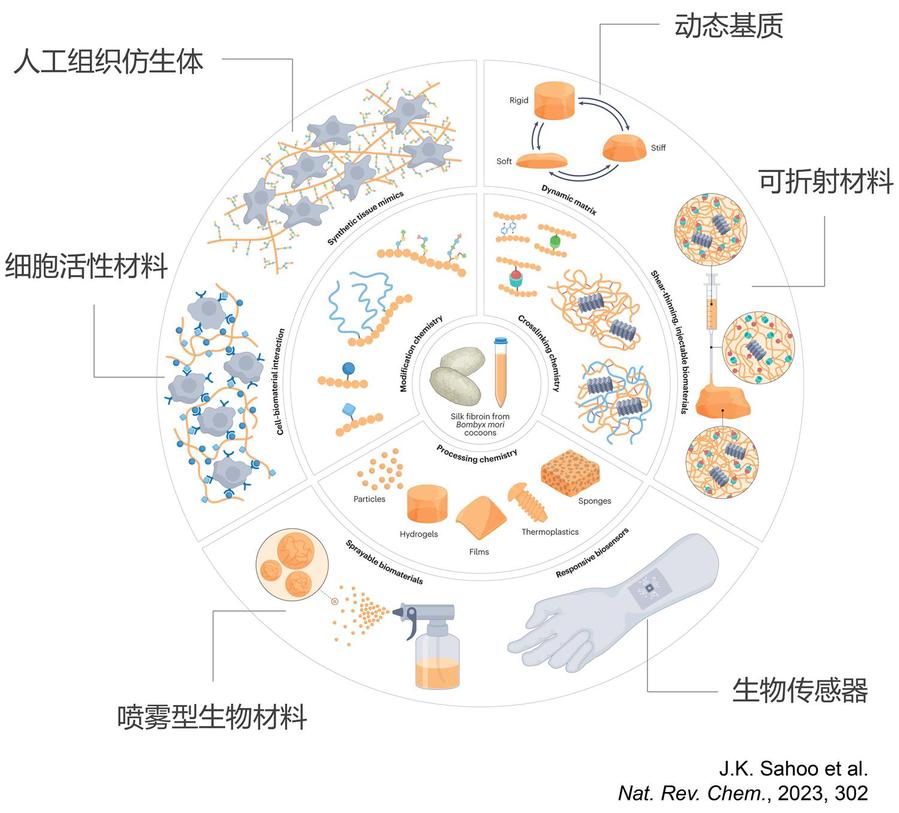
As a natural protein material, silk fibroin is widely applied in the field of biomedical materials due to its intrinsic biocompatibility and nearly negligible immunogenicity. Beyond traditional tissue engineering, silk fibroin materials also demonstrate significant application potential in multiple directions including bioimaging, drug delivery, wound dressings, antimicrobial materials, cell activity regulation interfaces, biomimetic construction of human tissues, and biosensors. This broad application prospect is attributed on one hand to the inherent excellent biocompatibility and low immune response of silk fibroin as a biomacromolecule, and on the other hand to its good processability and multiscale tunable mechanical properties. However, the functionality of pure silk fibroin itself is relatively limited, often requiring integration with functional components such as bioactive factors, drugs, antimicrobial agents, or imaging nanomaterials to construct composite material systems with multidimensional tunability in composition, structure, properties, and functions, thereby further expanding and optimizing the practical application performance of silk fibroin materials in various biomedical scenarios.
Overview of Preparation and Application of Silk Protein Biomedical Materials
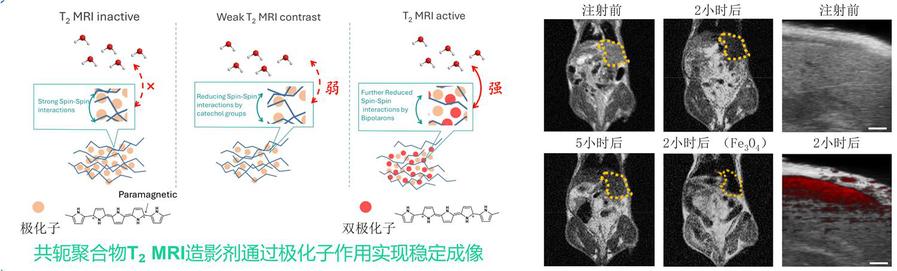
Biological imaging nanomaterials
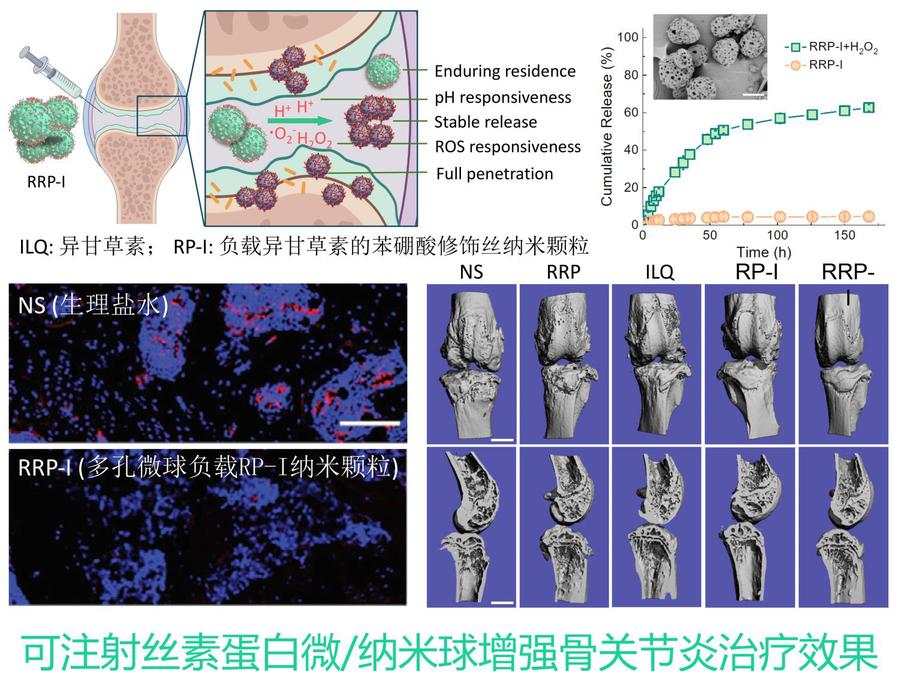
Drug delivery materials
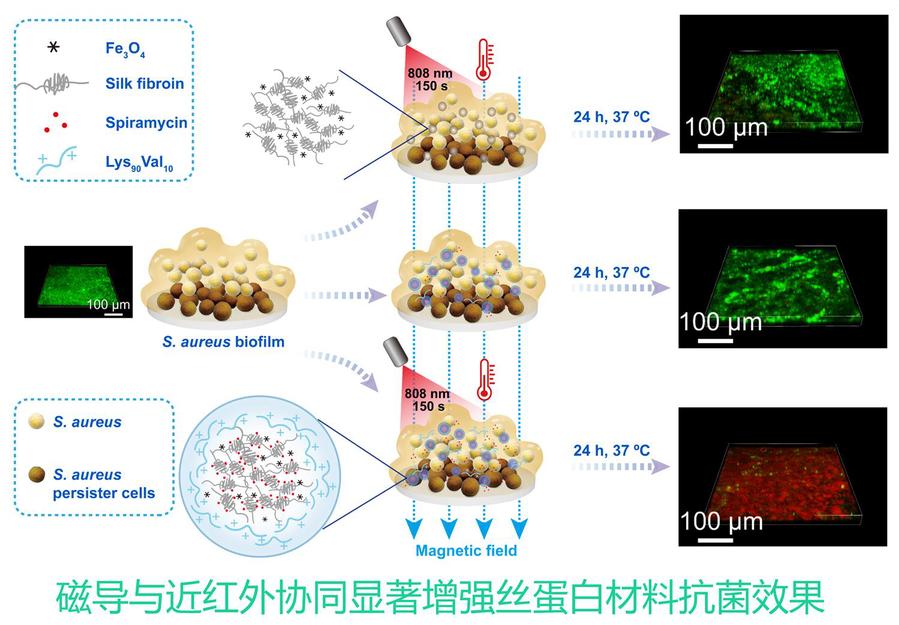
Antibacterial material
Copyright © 上海复旦大学

