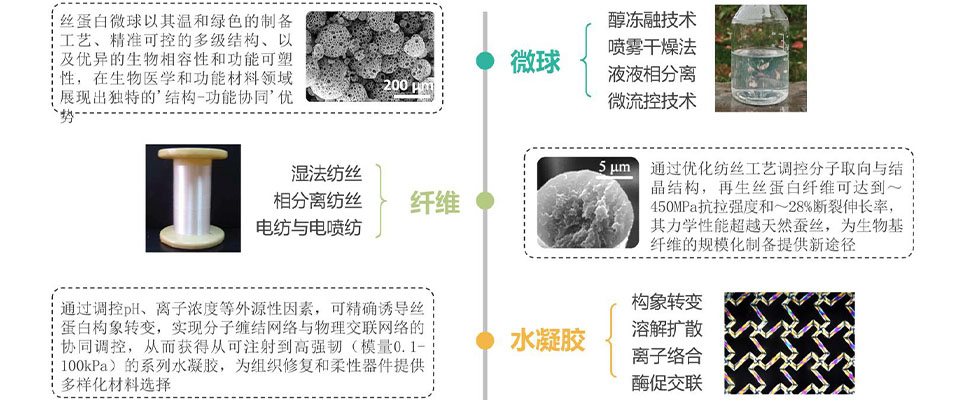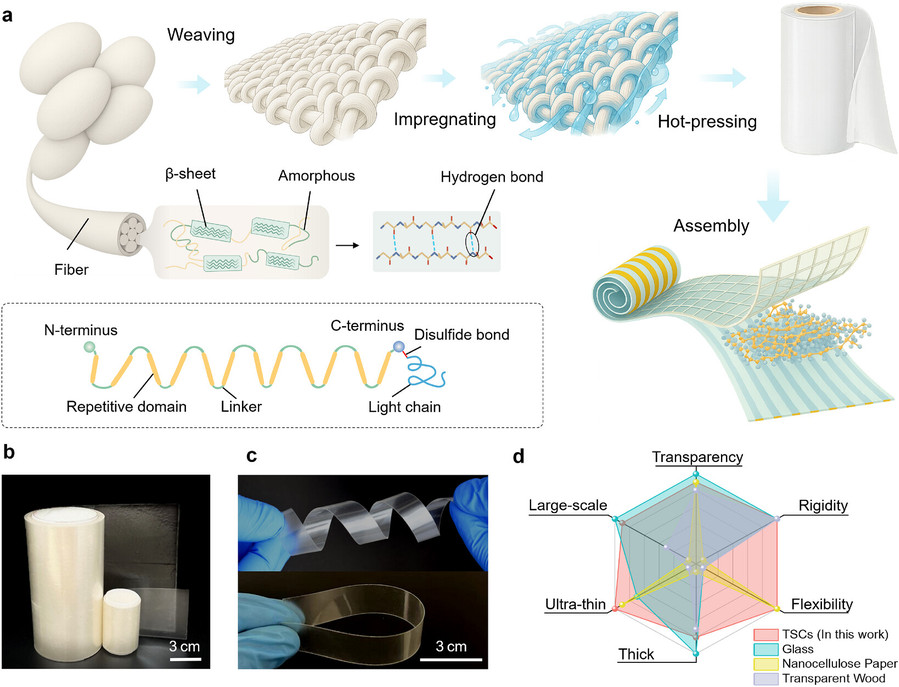

Research Direction IntroductionAs a typical biomacromolecule, silk fibroin possesses unique multiscale structural regulation capabilities and can achieve controlled fabrication from cocoon silk fibroin into various material forms through mild and green processing methods, including microspheres, fibers, hydrogels, porous scaffolds, membrane materials, and rigid materials. Based on the molecular chain structure and self-assembly properties of silk fibroin itself, by modulating intermolecular interactions, assembly modes, and processing conditions, the structural characteristics of silk fibroin materials at nanoscale, microscale, and macroscale can be precisely controlled to achieve effective matching and optimization of morphology and mechanical properties. Furthermore, silk fibroin exhibit...

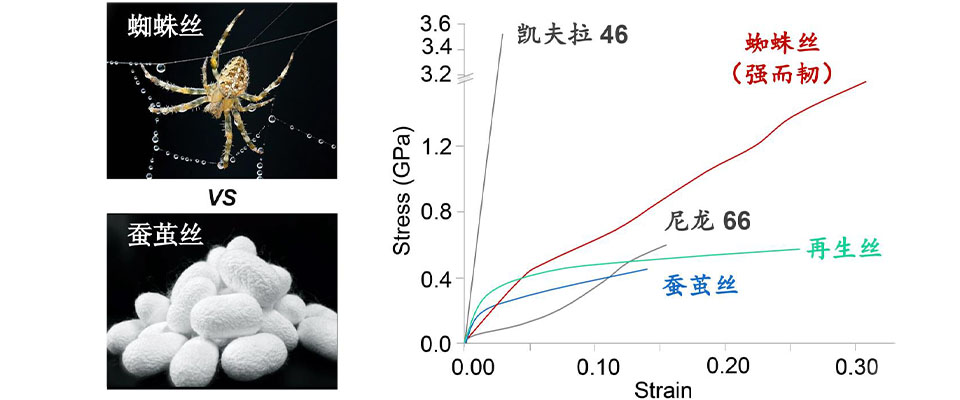
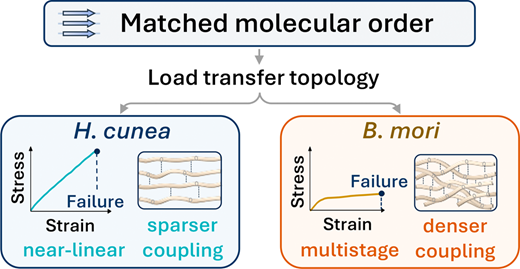
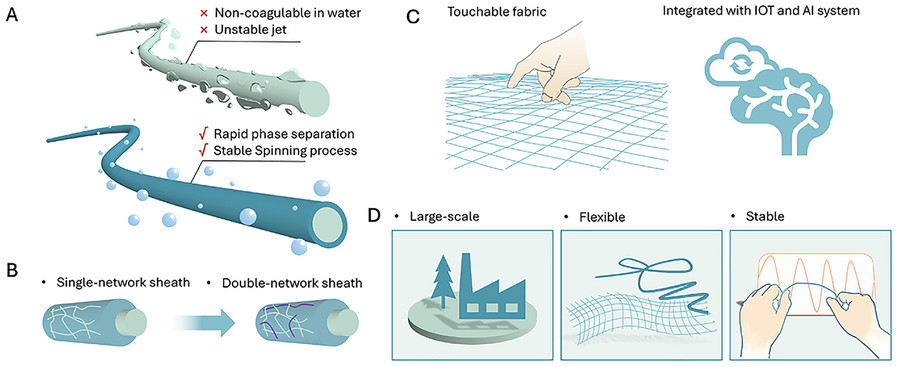
Research Direction IntroductionThe exceptional toughness of animal silks originates from the synergistic effect of high strength and high elongation. In-depth elucidation of the structure-property relationships from molecular to macroscopic levels and the natural spinning mechanisms of animal silks holds significant scientific importance for biomimetic material design. Our team has long been committed to research on the structure-property relationships of animal silks, proposing the core principle of aggregate structure regulation of silk mechanical properties, and further revealing the important role of oriented amorphous structures in silk supercontraction, as well as the critical influence of micro-nanoscale ordered assembly on its low-temperature high-toughness characteristics. Our lat...

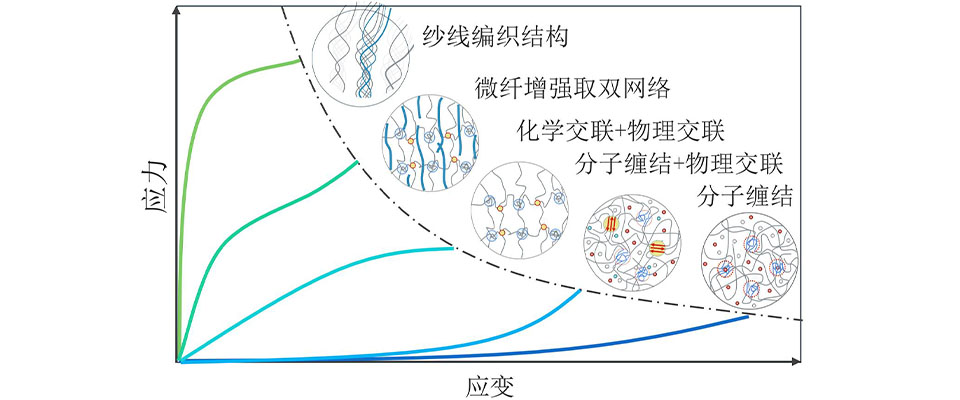
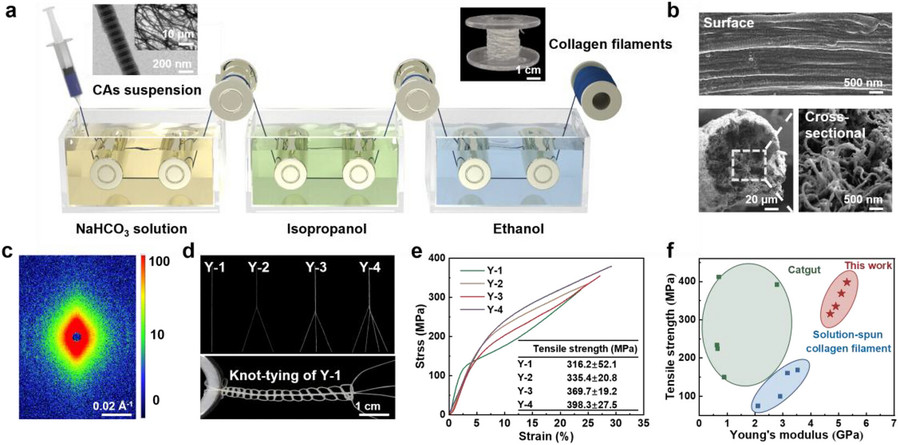
Research Direction IntroductionAs a natural protein material with excellent biocompatibility and controllable degradation characteristics, silk fibroin can precisely regulate its molecular secondary structure through chemical methods (such as enzymatic crosslinking) and physical methods (such as molecular entanglement and nanocrystalline crosslinking) to achieve better mechanical matching with biological tissues. Furthermore, material strength can be further enhanced by introducing biomacromolecular microfibrils or inorganic nanocomponents. At the macroscopic scale, silk fibroin can be fabricated into regenerated fibers, yarns, and various solid-state structures, providing a wide mechanical range from injectable to high-strength properties to meet different tissue engineering repair requir...

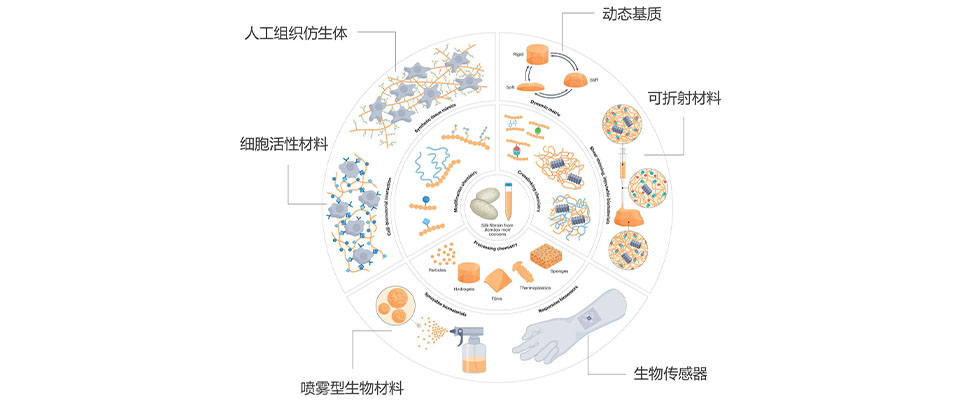
Research Direction IntroductionAs a natural protein material, silk fibroin is widely applied in the field of biomedical materials due to its intrinsic biocompatibility and nearly negligible immunogenicity. Beyond traditional tissue engineering, silk fibroin materials also demonstrate significant application potential in multiple directions including bioimaging, drug delivery, wound dressings, antimicrobial materials, cell activity regulation interfaces, biomimetic construction of human tissues, and biosensors. This broad application prospect is attributed on one hand to the inherent excellent biocompatibility and low immune response of silk fibroin as a biomacromolecule, and on the other hand to its good processability and multiscale tunable mechanical properties. However, the functionalit...

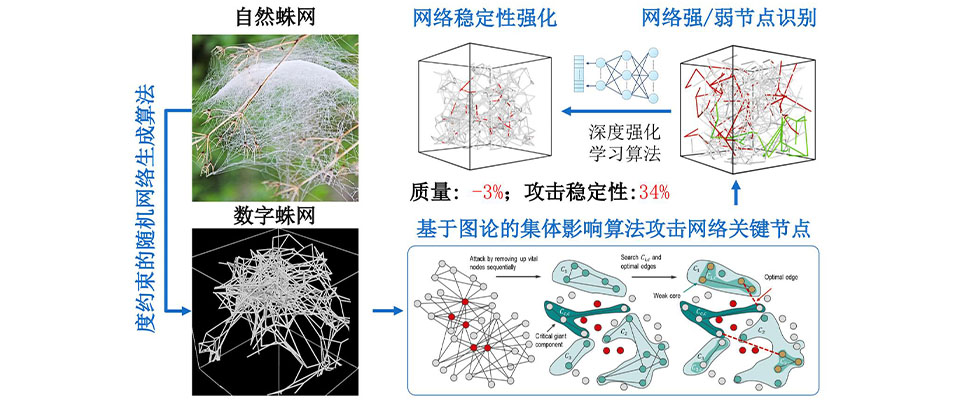
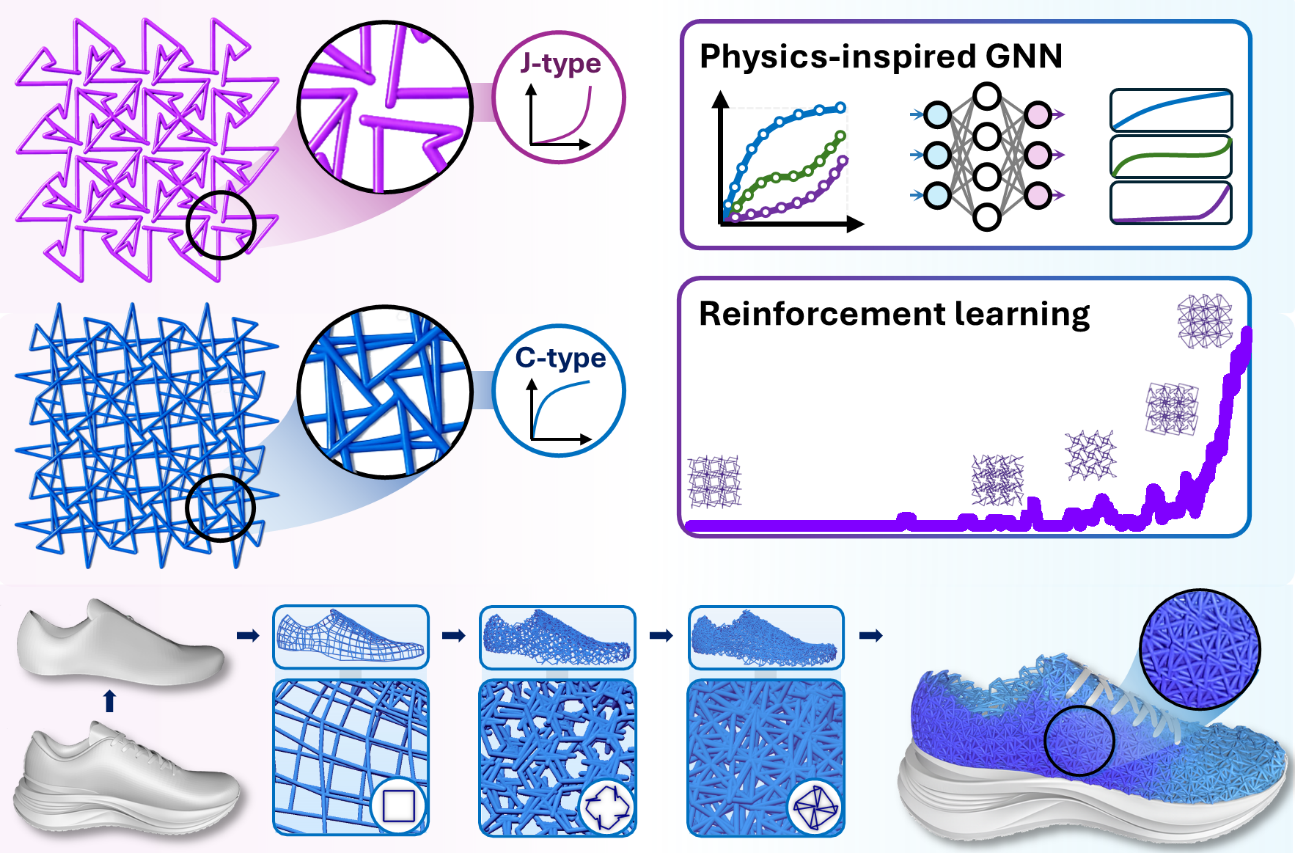
Research Direction IntroductionContemporary biomacromolecular science has expanded from traditional polymer disciplines to the interdisciplinary fields of materials biology, chemical biology, and information science, with material construction concepts gradually shifting from engineering-oriented to green and intelligent approaches. Therefore, rational design strategies based on data-driven and empirical paradigms, guiding chemical biosynthesis, structural fabrication, and systematic characterization through computational simulation and artificial intelligence, are becoming an important research paradigm for optimizing the synergistic effects of material structure-property-function, reducing development costs, and moving away from traditional trial-and-error experimental methods.Sequence-b...

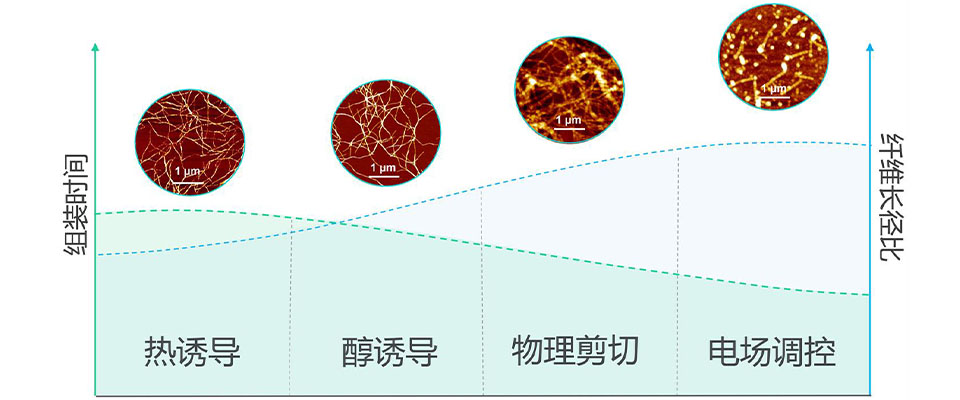
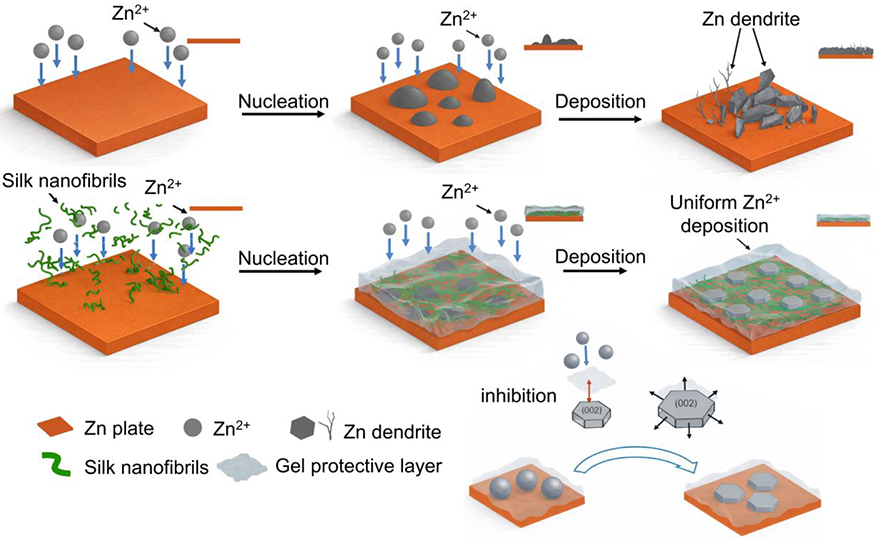
Research Direction IntroductionThe alternating arrangement of hydrophilic-hydrophobic domains in silk fibroin endows it with an inherent self-assembly tendency, with the assembly process regulated by nucleation-growth kinetics. Various exogenous factors can precisely control the morphology of assemblies (such as microfibrils and microspheres) and kinetic pathways. Its β-sheet structure provides biomimetic mineralization templates for inorganic minerals, inducing the formation of metastable crystal phases, thereby expanding preparation strategies for biomedical materials (such as bone repair) and new energy materials (such as electrodes). Furthermore, silk fibroin with lysozyme and other proteins can form dense, self-supporting ultrathin films at gas-liquid/solid-liquid interfaces with tra...

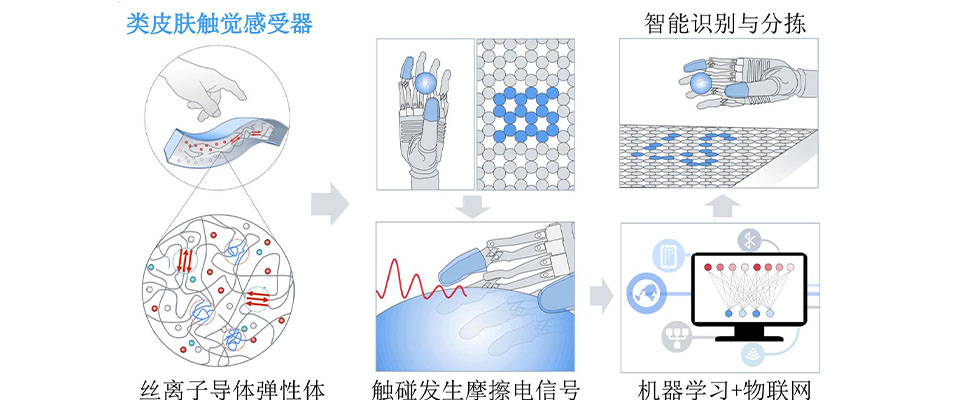
Research Direction IntroductionSilk fibroin itself lacks functional properties such as electrical conductivity required for devices, but functionalization and device fabrication can be achieved through compositing with ions, conductive polymers, or inorganic conductive nanomaterials. The biocompatibility and sustainability advantages of silk fibroin enable its composite biomedical devices to demonstrate promising prospects in the fields of implantable and flexible devices. The synergistic interaction between functional components and silk fibroin simplifies device construction, and by modulating the silk fibroin structure, the devices can effectively bond biological tissues with conductive interfaces, promoting tissue regeneration and functional monitoring; or simulate the mechanical behav...