
Research Direction Introduction
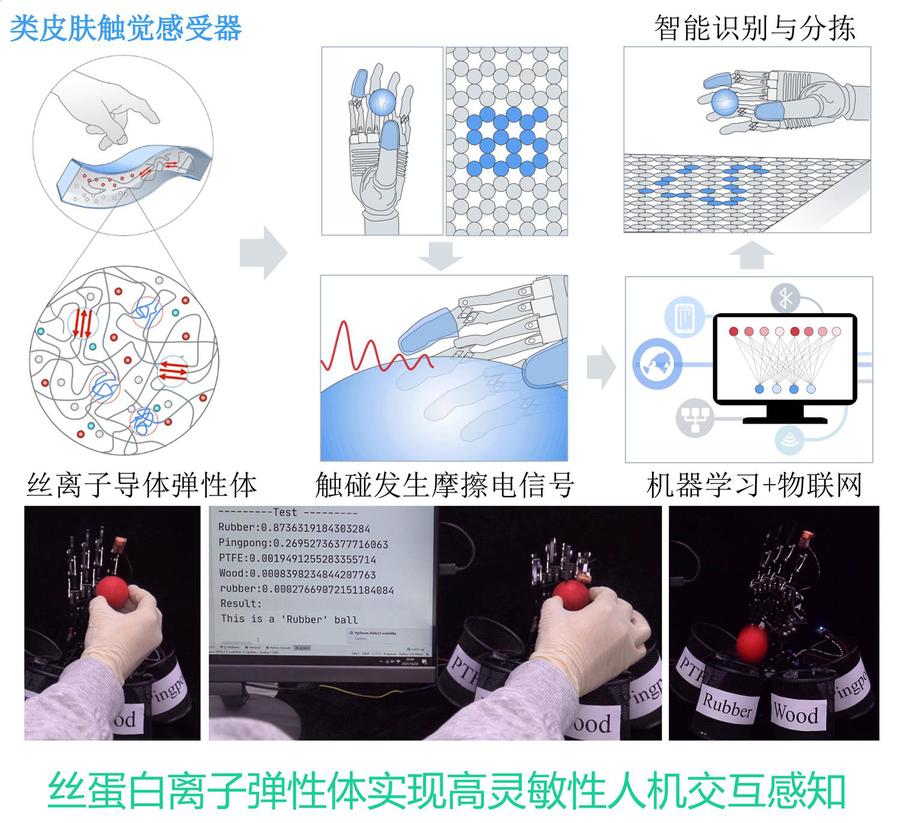
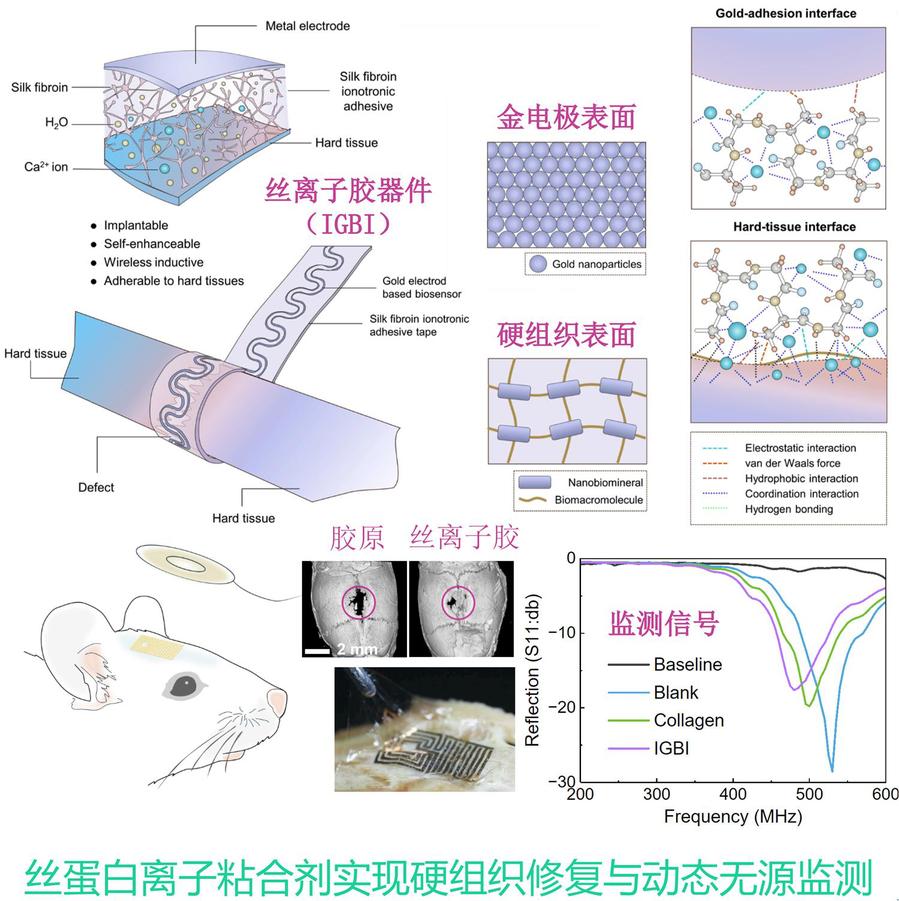
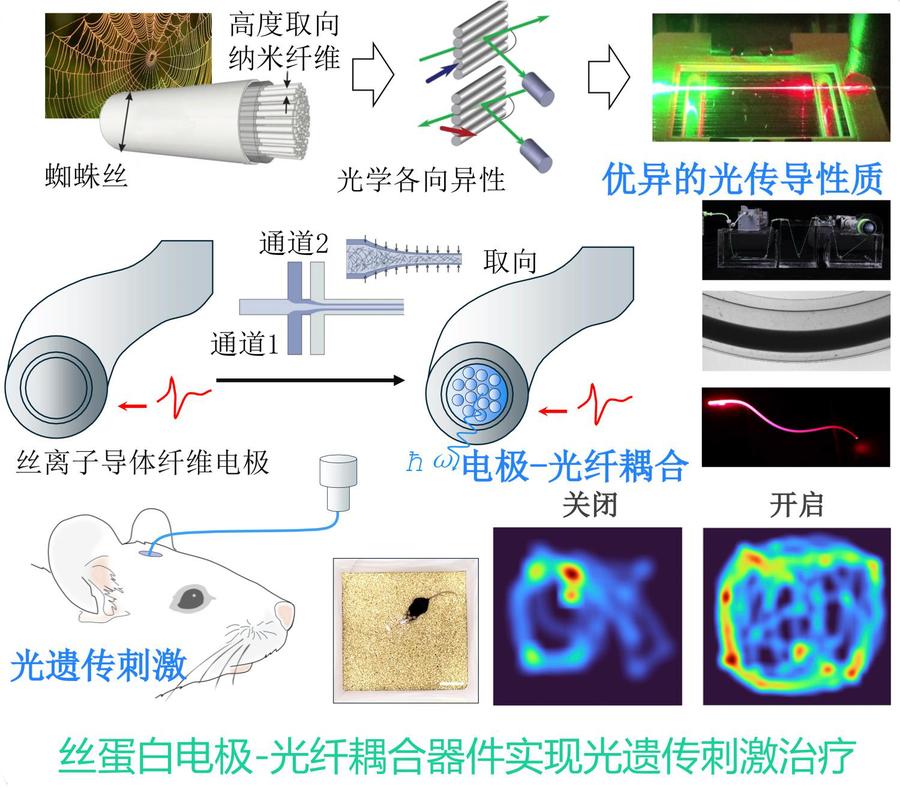
Silk fibroin itself lacks functional properties such as electrical conductivity required for devices, but functionalization and device fabrication can be achieved through compositing with ions, conductive polymers, or inorganic conductive nanomaterials. The biocompatibility and sustainability advantages of silk fibroin enable its composite biomedical devices to demonstrate promising prospects in the fields of implantable and flexible devices. The synergistic interaction between functional components and silk fibroin simplifies device construction, and by modulating the silk fibroin structure, the devices can effectively bond biological tissues with conductive interfaces, promoting tissue regeneration and functional monitoring; or simulate the mechanical behavior of skin to achieve intelligent sensing through piezoelectric effects. Additionally, combining the transparency of silk fibroin with the optoelectronic properties of conductive components enables the construction of electrode-optical fiber coupled devices for optogenetic therapy. Therefore, silk fibroin-based devices possess broad application potential in the biomedical field.
Tactile receptor
Interface bonding material between organization and electrode
electrode-fiber coupling device
Copyright © 上海复旦大学

